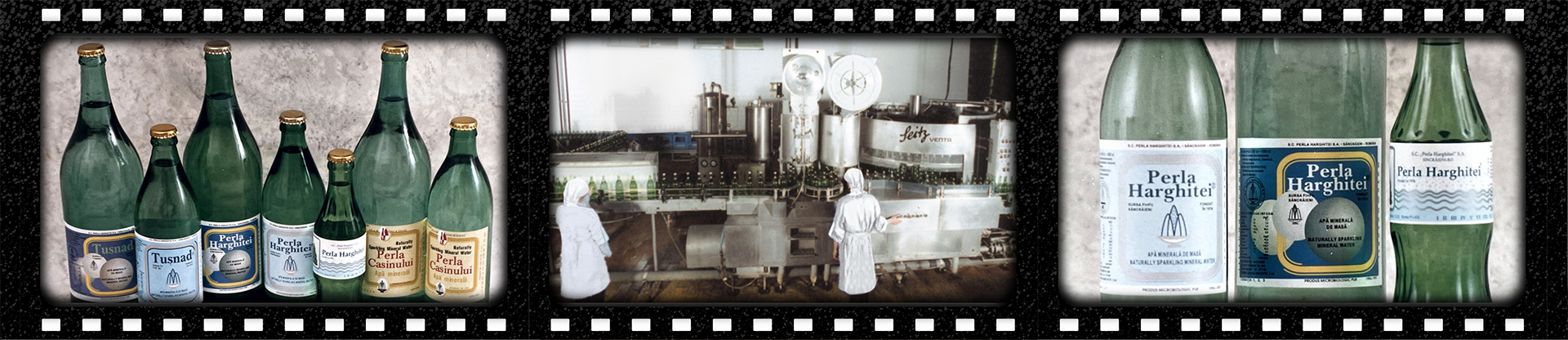

1953 - au fost făcute primele foraje în Sâncrăieni și s-a descoperit izvorul de apă minerală naturală
1957 - s-a început îmbutelierea și vânzarea apei minerale naturale din Sâncrăieni sub brandul Harghita (actuala Tiva Harghita)
1974 - s-au construit primele fabrici în amplasamentele actuale Perla Harghitei (Sâncrăieni) și Apemin Tușnad (Tușnadu Nou) și a început comercializarea apelor sub brandurile Perla Harghitei, respectiv Tușnad
1990 - a luat ființă societatea Perla Harghitei, ca societate de stat, care deținea fabricile de îmbuteliere:
1992 - se desprinde secția Harghita și se organizează ca societate comercială independentă, sub denumirea Kraiten S.A.
1997 - secția Perla Casinului intră în conservare
1999 - secția Tușnad se organizează ca societate comercială independentă, sub denumirea Apemin Tușnad S.A.
2008 - brandul Tiva Harghita este inclus în portofoliul Perla Harghitei S.A.
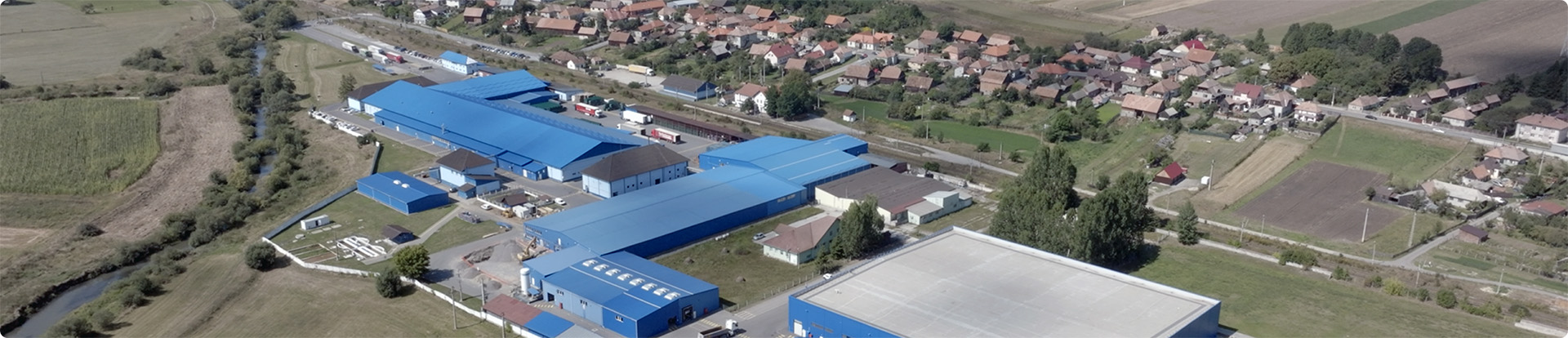
Sediul societăţii comerciale PERLA HARGHITEI S.A. este localizat în comuna Sâncrăieni, în judeţul Harghita, la 10 km de municipiul Miercurea-Ciuc, pe drumul naţional E578 între Miercurea-Ciuc şi Braşov.
Toată regiunea, numită Ciucul Inferior, este deosebit de bogată în surse de apă minerală, numai în zona comunei Sâncrăieni existând peste 80 de izvoare de apă minerală.
Perla Harghitei S.A., îmbuteliatorul apelor minerale naturale Perla Harghitei și Tiva Harghita are 5 linii de îmbuteliere Krones, cu o capacitate totală de producție >65.000 sticle/oră.
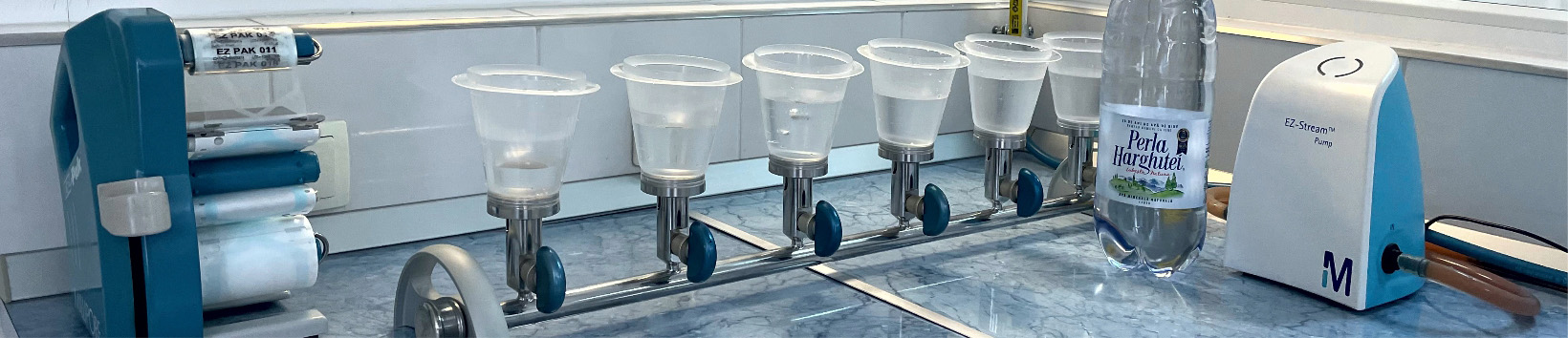
Laboratorul societăţii a fost construit în anul 2010 și este compus din laboratorul de analize fizico-chimice şi laboratorul de microbiologie. Se fac analize pe tot parcursul procesului tehnologic, începând de la apa minerală naturală brută provenită de la surse, continuând cu procesele de filtrare și până la produsul finit, apa minerală îmbuteliată. Monitorizăm principalii indicatori ai apelor minerale: pH, conductivitate, dioxid de carbon, conținut de hidrogencarbonați, oxigen dizolvat, fier, cloruri, reziduu sec, duritate totală, substanțe indezirabile: nitriți, nitrați, amoniu, substanțe organice, mangan.
La intrarea în fabrică, fiecare sursă de apă minerală este examinată privind principalele caracteristici fizico-chimice. După recepția apei minerale, urmează procesele de filtrare pentru îndepărtarea conținutului de fier si mangan. Apa minerală filtrată este stocată în rezervoare de inox. Calitatea apei minerale este verificată din nou, înainte de îmbuteliere.
Pe liniile de îmbuteliere se verifică o dată pe oră nivelul de carbonatare, proprietățile organoleptice (miros, gust, culoare, aspect), calitatea recipientelor, corectitudinea închiderii, nivelul de umplere, etichetarea și marcarea corectă a acestora.
Laboratorul de microbiologie are 5 spatii de lucru dotate cu echipamentele specifice. Aici se realizează zilnic toate analizele microbiologice din fiecare lot de produs îmbuteliat. Pe lângă analizele microbiologice din apa minerală, sunt efectuate controale regulate pentru determinarea condiţiilor de igienă din spațiile de producţie, teste de sanitație de pe ambalajele utilizate în procesul de fabricație (sticle spălate, flacoane suflate, dopuri și capsule) și analize de microaerofloră din aerul din zonele de producție.



Lorem ipsum dolor sit amet, consectetur adipiscing elit. Vestibulum et urna vel velit rutrum aliquam eu pharetra nibh. Donec diam urna, molestie non mauris vel, condimentum suscipit eros. Praesent sit amet nulla metus. Suspendisse potenti. Etiam convallis, metus ut dictum feugiat, elit felis vulputate risus, eget egestas quam felis vitae quam. Sed accumsan nec justo malesuada cursus. Nulla tempus condimentum est eget aliquet. Lorem ipsum dolor sit amet, consectetur adipiscing elit. Morbi finibus orci ac feugiat lobortis. Pellentesque ultrices sollicitudin quam, eget placerat diam ullamcorper non.
Pellentesque habitant morbi tristique senectus et netus et malesuada fames ac turpis egestas. Morbi fermentum tellus id semper consequat. Aenean porttitor velit sed porttitor hendrerit. Pellentesque venenatis vitae ipsum ut pulvinar. Aliquam convallis eu eros et vehicula. Vivamus ac nulla libero. Duis dictum molestie ante, ut vulputate enim commodo quis.
Pellentesque habitant morbi tristique senectus et netus et malesuada fames ac turpis egestas. Morbi fermentum tellus id semper consequat. Aenean porttitor velit sed porttitor hendrerit. Pellentesque venenatis vitae ipsum ut pulvinar. Aliquam convallis eu eros et vehicula. Vivamus ac nulla libero. Duis dictum molestie ante, ut vulputate enim commodo quis.
Nullam erat erat, suscipit sit amet metus non, ullamcorper euismod magna. In nec accumsan lacus. Sed placerat fermentum dolor, eu semper dui tincidunt ac. Ut ut sapien vel mi suscipit tristique. Nam eu dapibus magna. Lorem ipsum dolor sit amet, consectetur adipiscing elit. Fusce ornare velit vel ullamcorper tincidunt. Morbi et commodo augue. Donec eget elit vel risus lobortis maximus. Integer luctus sit amet magna quis porttitor. Ut arcu nulla, imperdiet tempor ipsum quis, aliquam vehicula lacus. Nullam luctus mattis libero, eget posuere quam aliquam sit amet.
Această secțiune urmărește să furnizeze informații cu privire la organizarea și convocarea Adunării Generale a Acționarilor, conform Actului Constitutiv al Societății și a Legii societăților.
În cadrul societăţii există o structură specializată în relaţia cu Acţionarii existenţi, denumită Relaţia cu Acţionarii, ce are ca principal rol asigurarea unei bune comunicări cu acţionarii societăţii. Persoana desemnată să mențină legătura cu acţionarii, tratează cu maximă operativitate, solicitările acţionarilor și facilitează dialogul cu managementul societății. Societatea creează și dezvoltă o politică adecvată pentru a promova o comunicare eficientă cu acţionarii.
Nume: Tankó Kedves Adél (dna)
Tel: 0266-332686, 0372-772222 (interior 140)
Adunarea Generală Ordinară se întrunește cel puțin o dată pe an, în cel mult 5 (cinci) luni de la încheierea exercițiului financiar.
Adunarea Generală Ordinară a Acționarilor are competența să decidă asupra oricăror probleme legate de activitatea Societății, cu excepția celor care sunt date de lege în competența Adunării Generale Extraordinare a Acționarilor.
În cadrul Adunării Generale Ordinare se abordează teme precum: situația financiară anuală; alegerea şi revocarea membrilor Consiliului de Administrație; stabilirea bugetului de venituri și cheltuieli; pronunțarea asupra gestiunii Consiliului de Administratie; fixarea remunerației membrilor Consiliului de Administratie; numirea sau demiterea auditorului financiar; ipotecarea, gajarea, închirierea sau desființarea uneia sau a mai multor unități ale societății.
Pentru validitatea deliberărilor Adunării Generale Ordinare este necesară prezenţa acţionarilor care să reprezinte cel puţin jumătate din capitalul social, iar hotărârile se iau cu majoritatea voturilor exprimate.
Dacă Adunarea Generală Ordinară nu poate lucra din cauza neîndeplinirii condiţiilor statutare privind cvorumul necesar desfăşurării acesteia şi adoptării hotărârilor, Adunarea ce se va întruni la o a doua convocare poate să delibereze asupra problemelor puse la ordinea de zi a celei dintâi Adunări, oricare ar fi partea de capital social reprezentată de acţionarii prezenţi, cu majoritatea voturilor exprimate.
Adunarea Generală Ordinară se întrunește cel puțin o dată pe an, în cel mult 5 (cinci) luni de la încheierea exercițiului financiar.
Adunarea Generală Ordinară a Acționarilor are competența să decidă asupra oricăror probleme legate de activitatea Societății, cu excepția celor care sunt date de lege în competența Adunării Generale Extraordinare a Acționarilor.
În cadrul Adunării Generale Ordinare se abordează teme precum: situația financiară anuală; alegerea şi revocarea membrilor Consiliului de Administrație; stabilirea bugetului de venituri și cheltuieli; pronunțarea asupra gestiunii Consiliului de Administratie; fixarea remunerației membrilor Consiliului de Administratie; numirea sau demiterea auditorului financiar; ipotecarea, gajarea, închirierea sau desființarea uneia sau a mai multor unități ale societății.
Pentru validitatea deliberărilor Adunării Generale Ordinare este necesară prezenţa acţionarilor care să reprezinte cel puţin jumătate din capitalul social, iar hotărârile se iau cu majoritatea voturilor exprimate.
Dacă Adunarea Generală Ordinară nu poate lucra din cauza neîndeplinirii condiţiilor statutare privind cvorumul necesar desfăşurării acesteia şi adoptării hotărârilor, Adunarea ce se va întruni la o a doua convocare poate să delibereze asupra problemelor puse la ordinea de zi a celei dintâi Adunări, oricare ar fi partea de capital social reprezentată de acţionarii prezenţi, cu majoritatea voturilor exprimate.
Adunarea generală extraordinară se întrunește ori de câte ori este necesara luarea unei hotărâri precum: mutarea sediului societății; schimbarea formei juridice a societății; schimbarea obiectivului de activitate a societății; înființarea sau desființarea unor sedii secundare: reprezentanțe, sucursale, agenții; conversia acțiunilor dintr-o categorie în cealaltă; conversia unei categorii de obligațiuni în alta categorie sau în acțiuni; emisiunea de obligațiuni; reducerea sau reîntregirea capitalului social; fuziunea cu alte societăți sau divizarea societăţii; dizolvarea anticipată a societăţii; oricare altă hotărâre care are nevoie de aprobarea Adunării Generale Extraordinare.
Pentru validitatea deliberărilor Adunării Generale Extraordinare, este necesară atât la prima convocare, cât şi la convocările următoare, prezenţa acţionarilor reprezentând cel puţin jumătate din capitalul social, iar hotărârile se iau cu votul unui număr de acţionari care să reprezinte cel puţin jumătate din capitalul social.
Decizia de modificare a obiectului principal de activitate al societăţii, de reducere sau majorare a capitalului social, de schimbare a formei juridice, de fuziune, divizare sau de dizolvare a societăţii se ia cu o majoritate de cel puţin două treimi din drepturile de vot deţinute de acţionarii prezenţi sau reprezentaţi.